


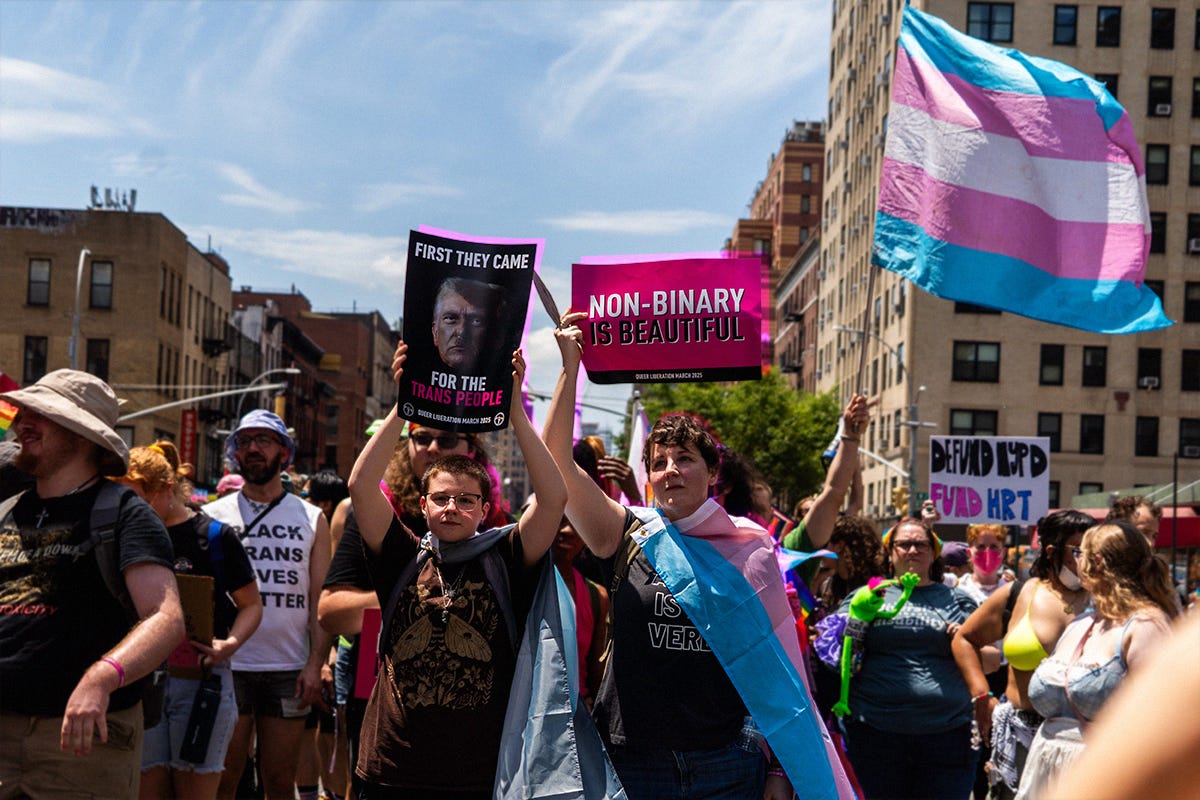
March 31st marks Transgender Day of Visibility, a global awareness day that celebrates the transgender community and raises awareness of the discrimination they face. In the United States, transgender people make up an estimated 1% of the population, and fewer than one in three adults report that they personally know someone who is transgender.
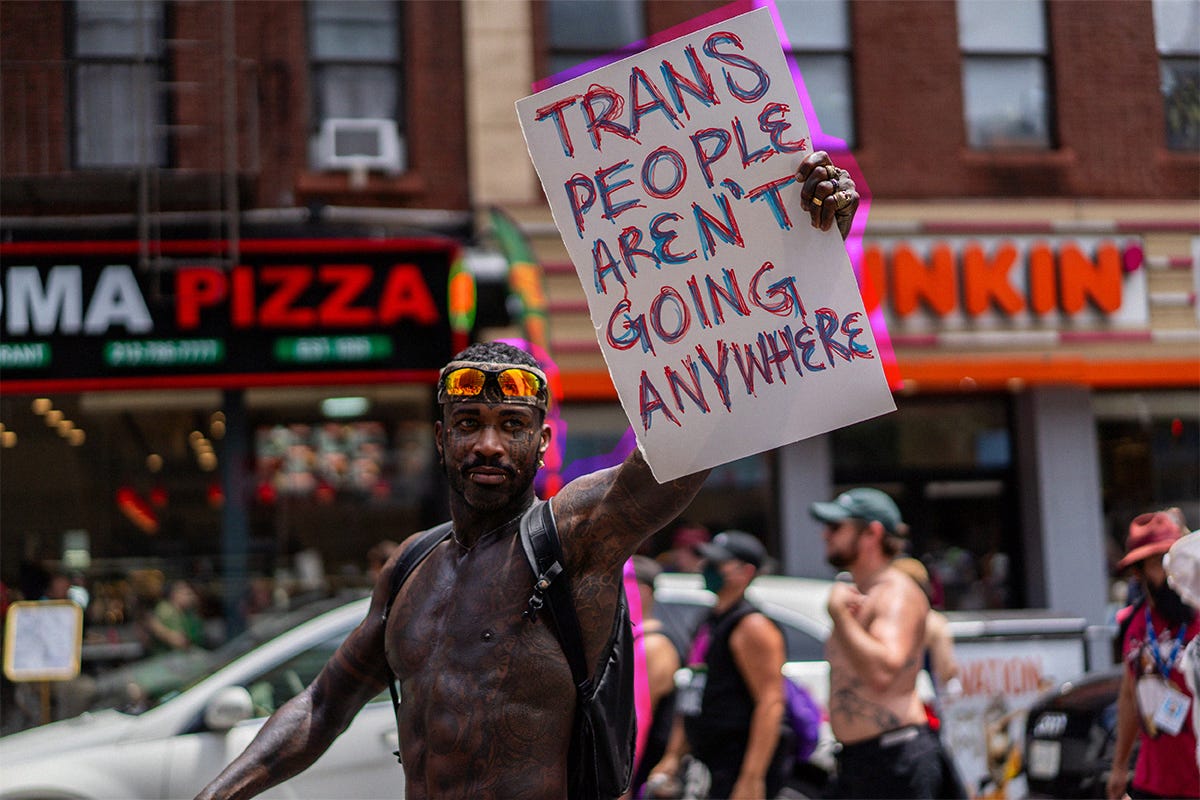
This year’s observance of Transgender Day of Visibility takes place during a historically hostile political environment for the transgender community. Already in the first three months of the year, more than 700 anti-transgender bills have been considered in states across the United States on topics ranging from restricting transgender people’s healthcare to penalizing those who updated the gender marker on their identification documents to match their gender identity.
As the U.S. transgender community faces a historically hostile environment, there are many actions that allies can take — both large and small — to show support and solidarity.
Here are five actions to take in honor of Transgender Day of Visibility
1. Take a moment to learn about what it means to be transgender.
With fewer than one in three adults in the United States reporting that they personally know someone who is transgender, it’s understandable to have questions. Transgender people have always been part of every community, both in the U.S. and around the world, throughout history. To learn more about what it means to be transgender, read Advocate for Trans Equality’s resource, Frequently Asked Questions about Transgender People.
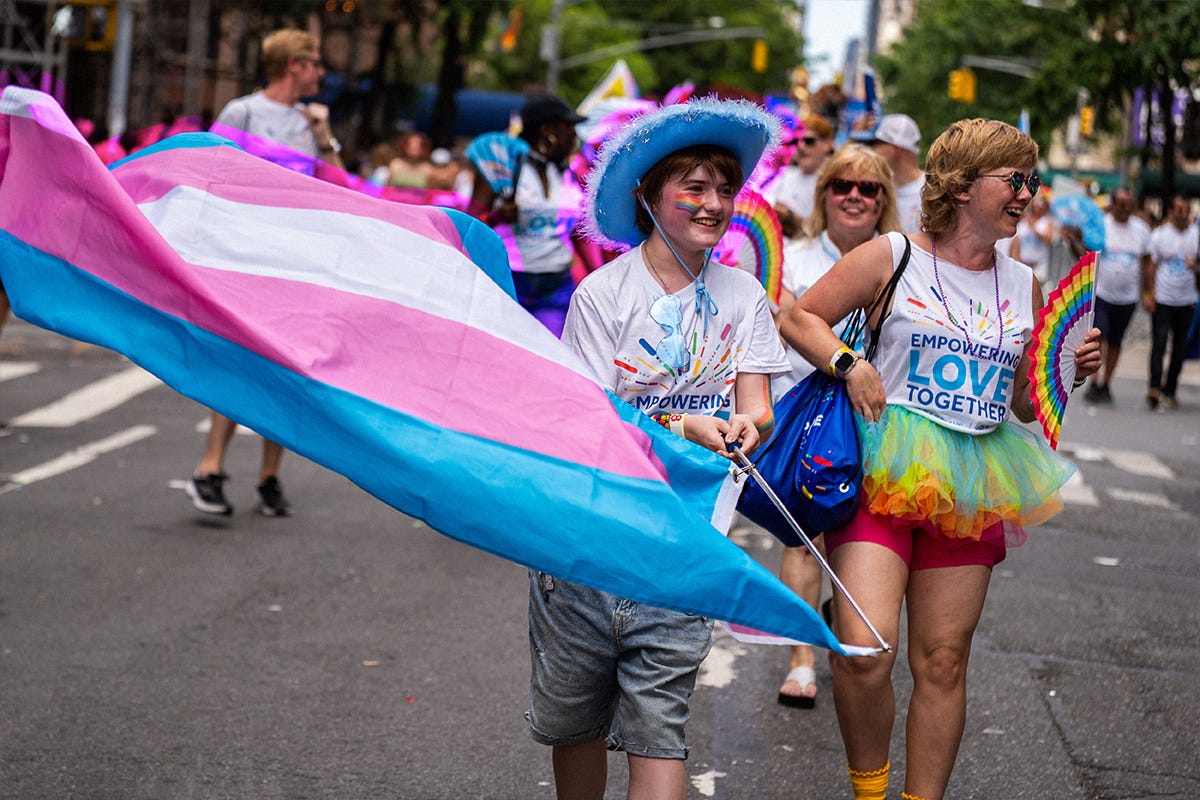
2. Watch, read, or follow transgender folks’ stories to get to know the people behind the political headlines.
While stories about transgender people continue to make headlines and gain traction on social media, many fail to include the voices of transgender people themselves. To address this imbalance, incorporate first-hand perspectives from transgender people into your preferred media format.
Each year, GLAAD, the world’s largest LGBTQ media advocacy organization, honors media for fair, accurate, and inclusive representation of the LGBTQ+ community through the annual GLAAD Media Awards. See the outstanding stories about transgender people honored this year for a diverse list of movies, documentaries, television series, books, podcasts, and more that highlight transgender voices.
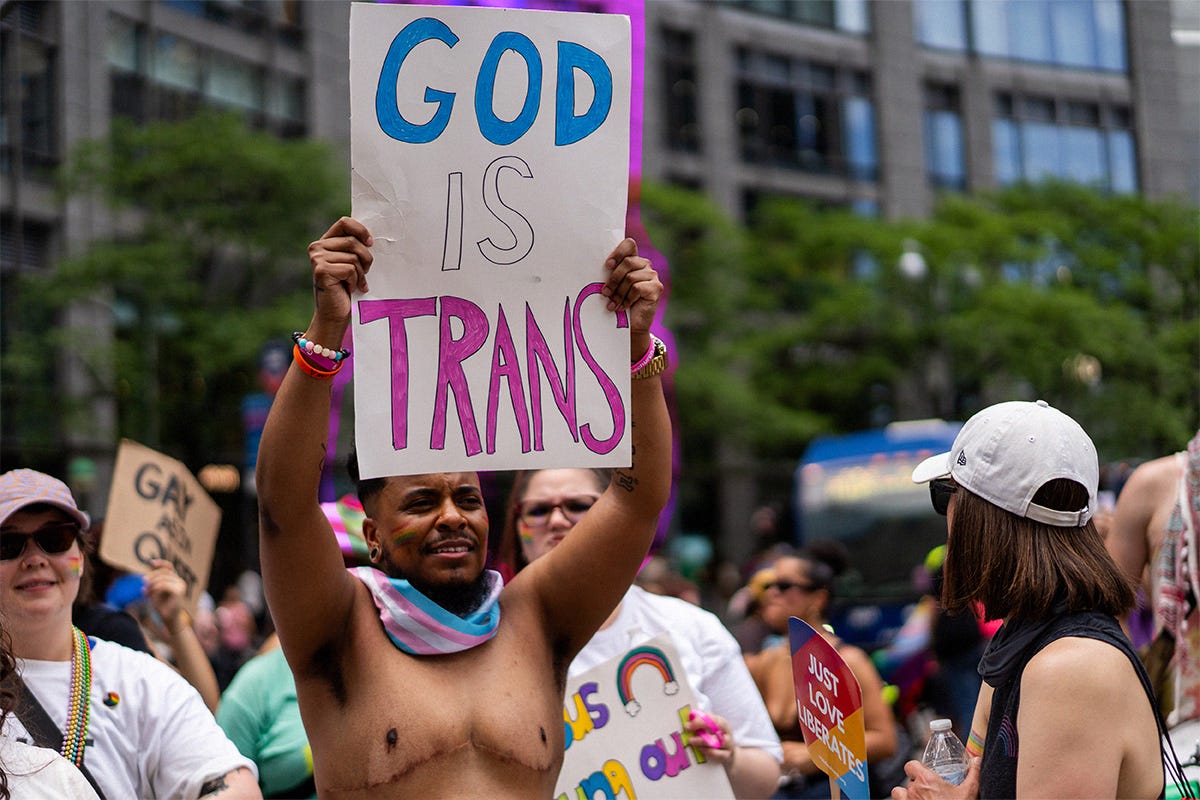
3. Familiarize yourself with the transgender-led organizations and initiatives working to support trans people.
There are many organizations dedicated to supporting and protecting transgender people in the United States. Consider learning more about some of the country’s leading organizations below by visiting their website, subscribing to their email lists, following their social media accounts, or donating to support their cause:
Advocates for Trans Equality (A4TE) is an organization that fights for the legal and political rights of transgender people in the United States. A4TE is one of the largest trans-led advocacy organizations in the U.S., bringing together experts, advocates, and communities to shift government and society toward an equitable future in which trans people live joyful lives without barriers.
Transgender Law Center (TLC) is one of the largest national, trans-led organizations in the U.S. that advocates for self-determination for all people. TLC is dedicated to advancing the rights of transgender and gender-nonconforming people through litigation, policy advocacy, and legal services.
The Transgender Youth Emergency Project, a program of the Campaign for Southern Equality, offers logistical and financial support to families of transgender young people seeking essential health care amid an increasingly challenging environment.
4. Look into your state’s current policies impacting transgender people — and those working to protect trans folks in your community.
Amid a continued wave of anti-transgender headlines, policies, and news stories, it can be challenging to keep up with the latest information or figure out what to do in response. Zeroing in on what policies and political activity are taking place in your own state or region can help.
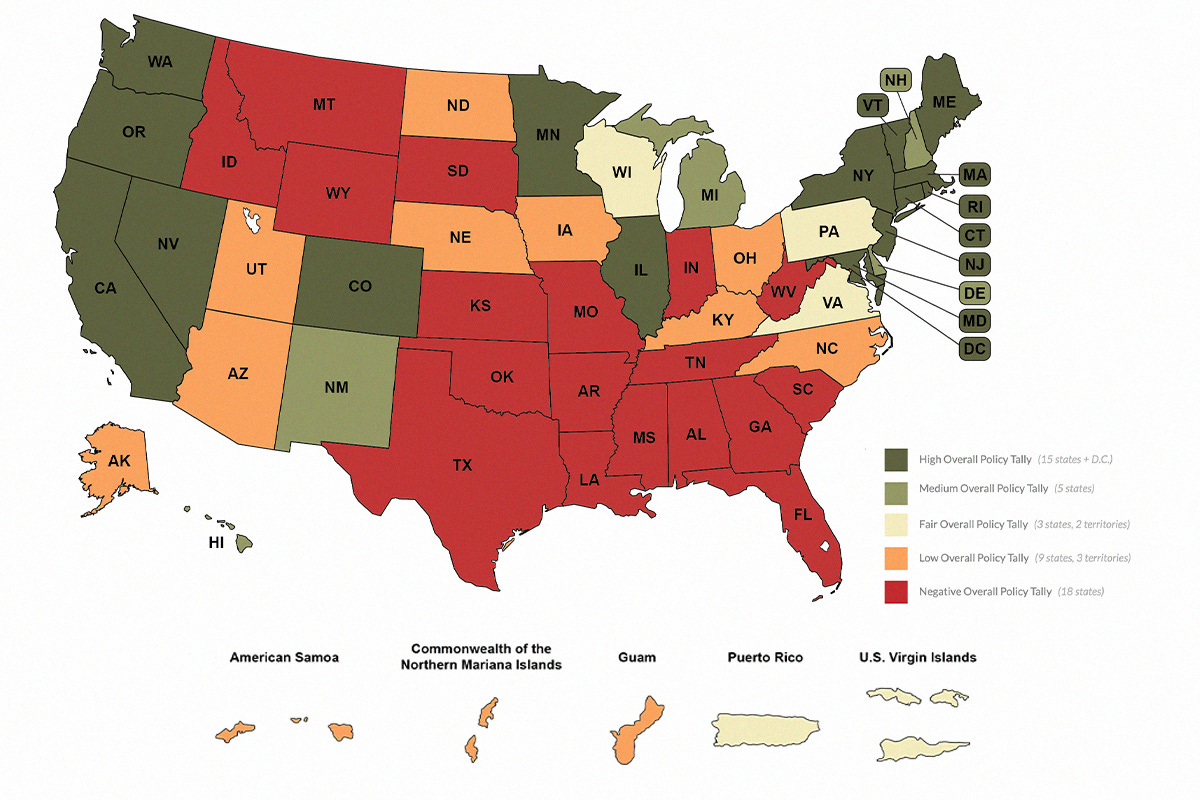
Consider learning about the current policies impacting transgender people living in your own state by utilizing The Movement Advancement Project’s LGBTQ Equality Map. This resource regularly tracks and updates more than 50 LGBTQ-related laws and policies in each state, the District of Columbia, and the five populated U.S. territories — including those that specifically impact transgender individuals.
Once you’ve explored the laws and policies impacting your state, look into the organizations and individuals working to push back against anti-transgender activity in your community. Most states have regional, state-wide, or local LGBTQ+ organizations that are actively working to protect and support transgender individuals every day. Check out the Equality Federation’s network of more than 40 state-based LGBTQ+ organizations across the U.S. to connect with an on-the-ground group nearest you.
5. Make it personal: Assess how you might show up as an ally in everyday interactions and conversations with family and friends
While advocating for legal and legislative protections for transgender people is critical, it’s also important to take action to support this community on an individual level. You do not need to be an expert in transgender topics or identities to provide meaningful allyship. Supporting the transgender community can start with simply taking stock of your everyday conversations and if/how transgender people and topics come up. Consider asking yourself questions, such as:
How am I currently using gendered language in my day-to-day conversations?
What can I do to shift my language to be more gender-inclusive?
What are the people around me saying about trans folks, or related political headlines?
How might I respond to someone who makes an anti-transgender comment or joke?
Many leading LGBTQ+ organizations have created resources to support anyone, anywhere, in their efforts to support the transgender community. Deepen your allyship by reading free guides and resources from groups such as Gender Spectrum, The Trevor Project, and The Human Rights Campaign.
Transgender Day of Visibility is a great moment to reflect on how you are showing up for the transgender people in your life and in your community – not just today, but every day of the year.
