


The vice president floated “terrorist movement” rhetoric, anti-trans bills keep climbing, and trans-specific philanthropy keeps shrinking. A Transgender Strategy Center trainer says cis gay men keep disappearing when it counts.
In September 2025, Vice President JD Vance sat down for a Fox News interview. Host Jesse Watters asked if he saw the “militant transgender movement” as a domestic terrorist threat. Vance answered: “If you are encouraging people to commit acts of violence against the US government or against your fellow Americans, absolutely, you’re involved in a terrorist movement.”
That line, first reported by journalist Ken Klippenstein, set off policy moves trans advocates are still tracking.
JD Vance and a Heritage Foundation Push to Call Trans Advocacy “Terrorism”
The Heritage Foundation’s Oversight Project is now pushing the FBI to create a formal “Trans Ideology-Inspired Violent Extremism” designation. Internal debate reportedly centers on whether an existing “Nihilistic Violent Extremist” label already covers trans suspects, or whether the government needs something more specific. A leaked Customs and Border Protection brief has already warned of a “Radical Leftist Trans Militant Cult.”
The push follows two shootings the administration has cited as justification. An August 2025 shooting in Minneapolis involved a transgender perpetrator. The September 2025 assassination of activist Charlie Kirk did not, despite early right-wing claims that the shooter’s ammunition carried pro-trans messages. Researchers who study mass violence say the overwhelming majority of mass shooters are cisgender men, and fact-checkers including PolitiFact and Snopes have repeatedly debunked claims that transgender people are disproportionately violent. None of that has slowed the designation push. It isn’t official policy yet, but dozens of other Project 2025 proposals already are.
Trans-Specific Philanthropy Is Shrinking as Anti-Trans Bills Keep Climbing
The terrorism rhetoric is landing while trans-specific philanthropy keeps shrinking. Tracking reports from Funders for LGBTQ+ Issues, the sector’s main research group on this data, show foundation grants earmarked specifically for transgender, nonbinary and gender-nonconforming communities fell from about $48 million in 2022 to roughly $36 million in 2023. Nonprofit Quarterly, citing that research, put trans-specific funding at just a few cents of every $100 U.S. foundations give away in total, a share that keeps shrinking rather than growing.
The money is disappearing as the legal landscape gets worse. The Trans Legislation Tracker counted 645 anti-trans bills nationwide by early February 2026. The ACLU, using a broader anti-LGBTQIA+ category, was tracking closer to 400 bills around the same time. Only three had passed by February and 17 had failed, meaning most were still active. By July, four states (Florida, Idaho, Kansas and Texas) carried the tracker’s highest “do not travel” risk rating, with 15 more states in its second-highest tier.
A Transgender Strategy Center Trainer Says Cis Gay Men Keep Stepping Back
Jordan Blaza Olsen watches both trends collide up close. She’s the training and technical assistance manager at the Transgender Strategy Center, a nonprofit she says has run capacity-building calls with trans leaders and allies nationwide since 2019.
She recently described one of those calls: a young trans woman of color asked for help launching her own organization, then said, “The gays hate us. They steal our words, our culture, but don’t want to help us when we’re literally fighting for our lives.”
Olsen says that comment names a pattern trans elders have flagged for decades. Cis LGB communities lean on trans people during a crisis, she argues, then step back once the spotlight moves. She points to a national health conference where a panel of mostly cis gay men described recovering executive-order funding. When she asked how trans people were involved, she says the room went quiet, then someone called trans people “hard to work with” and “hard to find.”
She traces the pattern back further. Three decades into the HIV/AIDS response, she says, major organizations took funding earmarked for trans programming but rarely put a trans person in charge. That’s her read on the sector’s history, not an independently audited count, but it echoes years of criticism from trans leaders in HIV and public health circles about being funded without being empowered.
Olsen also says philanthropic advisors have told the Transgender Strategy Center to consider dropping the word “trans” from grant applications, or renaming the organization outright. That pressure isn’t only coming from funders. Executive orders issued this year have already forced other nonprofits to scrub “transgender” from government-facing materials, part of a broader rollback that has also stripped transgender history from federal websites, according to a July 2026 policy review by trans journalist Erin Reed.
What “Protect the Dolls” Raised, and What It Didn’t Fix
“Protect the dolls” became shorthand for this exact tension. Designer Conner Ives coined the phrase for a T-shirt he wore during his London Fashion Week show in February 2025, with proceeds going to Trans Lifeline. Pedro Pascal wore it publicly weeks later. So did Troye Sivan and Haider Ackermann. Ives said pre-orders alone raised $70,000, and the campaign eventually topped $100,000.
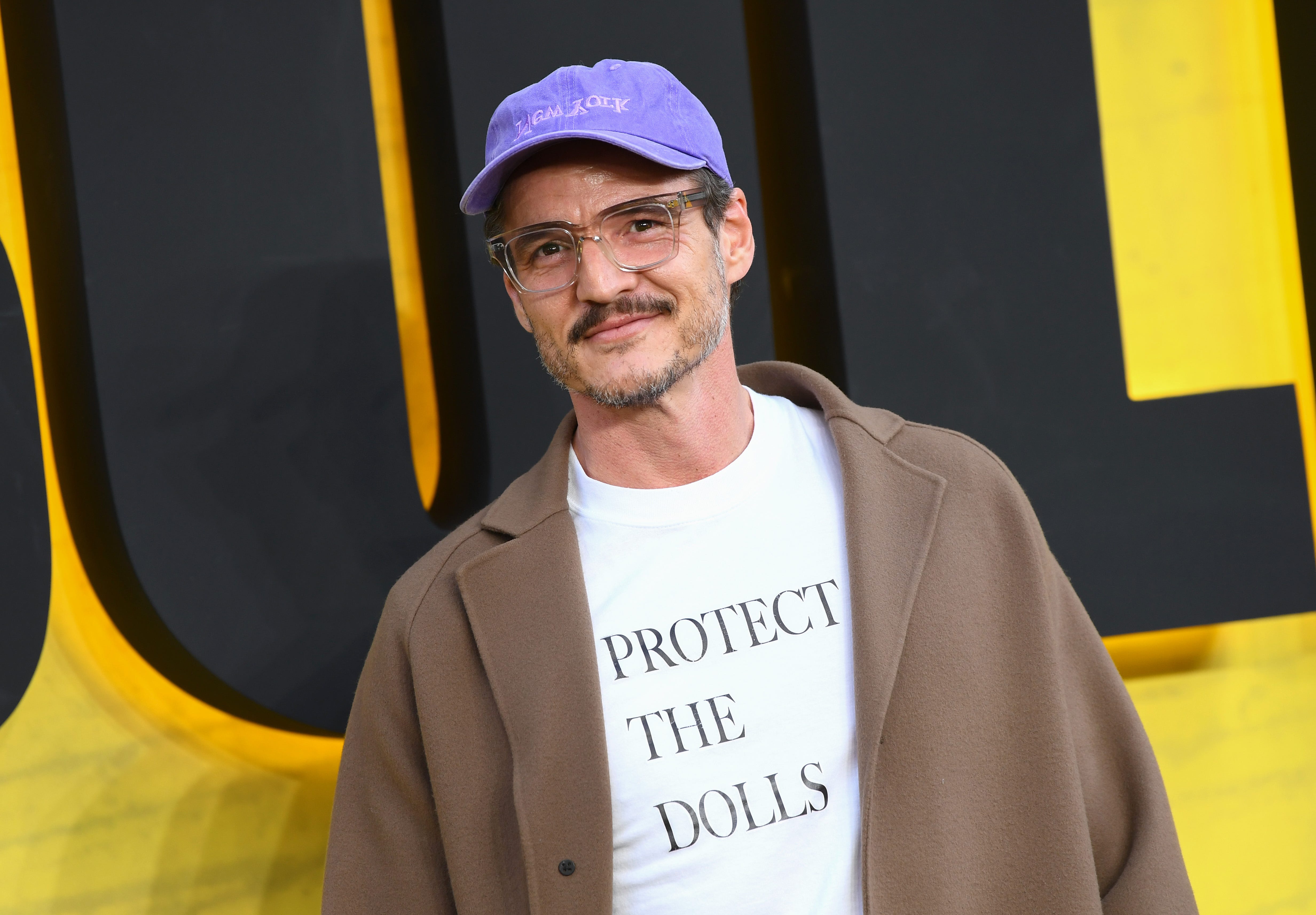
That’s real money, and Olsen isn’t wrong that some posts stop there. Writer Marie-Adélina de la Ferrière made a related point in her own essay this year published in The Advocate. She described attending a memorial for a 15-year-old trans girl who died by suicide, her third vigil for a queer community member in four months. “Protecting the dolls is more than just a phrase or a trendy shirt,” she wrote. The shirt raised six figures. It didn’t save the teenager she was mourning.
Ariana Grande, Pedro Pascal and Where Trans Solidarity Money Is Really Going
Some of it is going further than a shirt. Ariana Grande launched the Brighter Days Ahead Foundation in June 2026, funding 22 organizations across four categories, including Trans Lifeline, Lambda Legal, Transgender Law Center and SAGE USA. Pedro Pascal has kept using red carpets and Instagram comment sections to call anti-trans rhetoric “vile and pathetic.”
Funders for LGBTQ Issues runs two programs built for exactly this gap: Grantmakers United for Trans Communities and the Trans Futures Funding Campaign, both designed to move philanthropic dollars directly to trans-led groups instead of routing them through larger, cis-led intermediaries. Olsen says allies inside that network have opened professional doors to trans organizers who had been locked out of others.
What Cis Gay Men Can Actually Do Instead of Posting
Olsen’s ask isn’t complicated. Give directly to trans-led organizations, not just general LGBTQ funds. Show up to city council meetings and legislative hearings on anti-trans bills. Walk trans friends home. Say something when a trans person isn’t in the room to defend themselves.
“Keep the ‘protect the dolls’ posts,” she says. “But back them up with something real.”
The FBI terrorism designation hasn’t been finalized. Most 2026 legislative sessions run through the fall. Both fights are still open, and how much support trans-led organizations get in the next few months may decide how they come out.
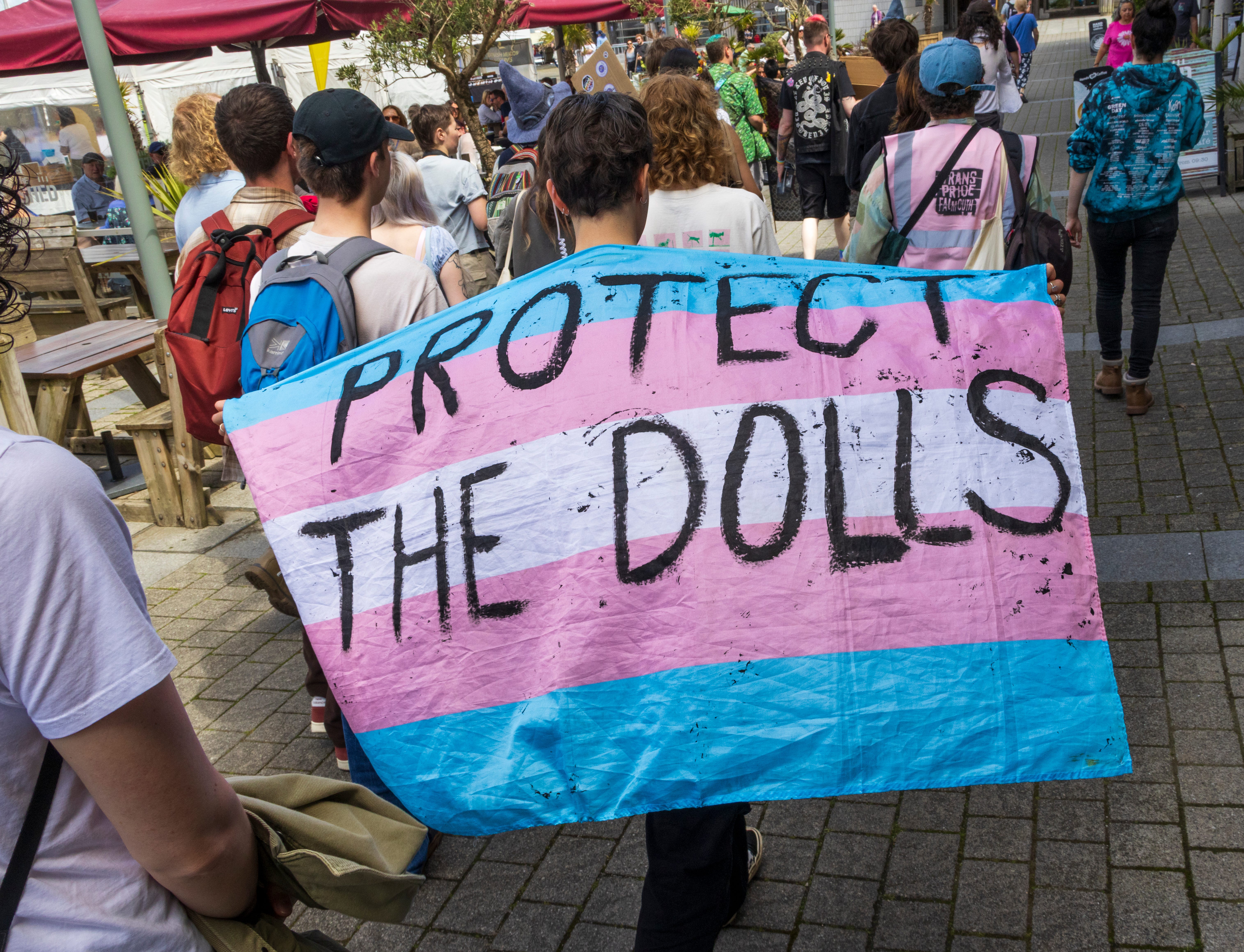
If today’s the day you put money where the hashtag is: give directly to Trans Lifeline, the Transgender Law Center, Gender Liberation Movement, or a trans-led mutual aid fund in your own city. Then check whether your state legislature has an anti-trans bill moving right now, and call whoever’s sponsoring it.
Subscribe to Queer Agenda for the stories, culture, and conversations shaping LGBTQ+ life right now.