


Pete Buttigieg came closer than ever to saying yes. He still stopped short.
The former transportation secretary told podcaster Steven Bartlett he is “more inclined than not” to run for president in 2028. The episode of “The Diary of a CEO” published Monday, Aug. 3.
Bartlett got the answer by narrowing the options. He asked Buttigieg to pick one of four: strongly not inclined, not inclined, inclined, or strongly inclined. Buttigieg had already met a direct question with “I don’t know.”
“I think I’m, like, more inclined than not,” he said.
Then came the hedge. “There’s so much we don’t know,” Buttigieg said. He also said becoming a father to twins “changed all of my equations.”
That is the entire news event. It is not a launch. Federal Election Commission records show no 2028 presidential filing for Buttigieg. His only presidential registration remains the 2020 committee, since converted into Win the Era PAC.
Buttigieg Signaled 2028 One Day Before Michigan’s Senate Primary
The timing has gone mostly unremarked, and it is the sharpest thing about this story.
Buttigieg has been a Michigan resident since 2022, when he changed his residency to his husband’s home state. In March 2025 he ruled out running for Michigan’s open U.S. Senate seat. He passed on the governor’s race too.
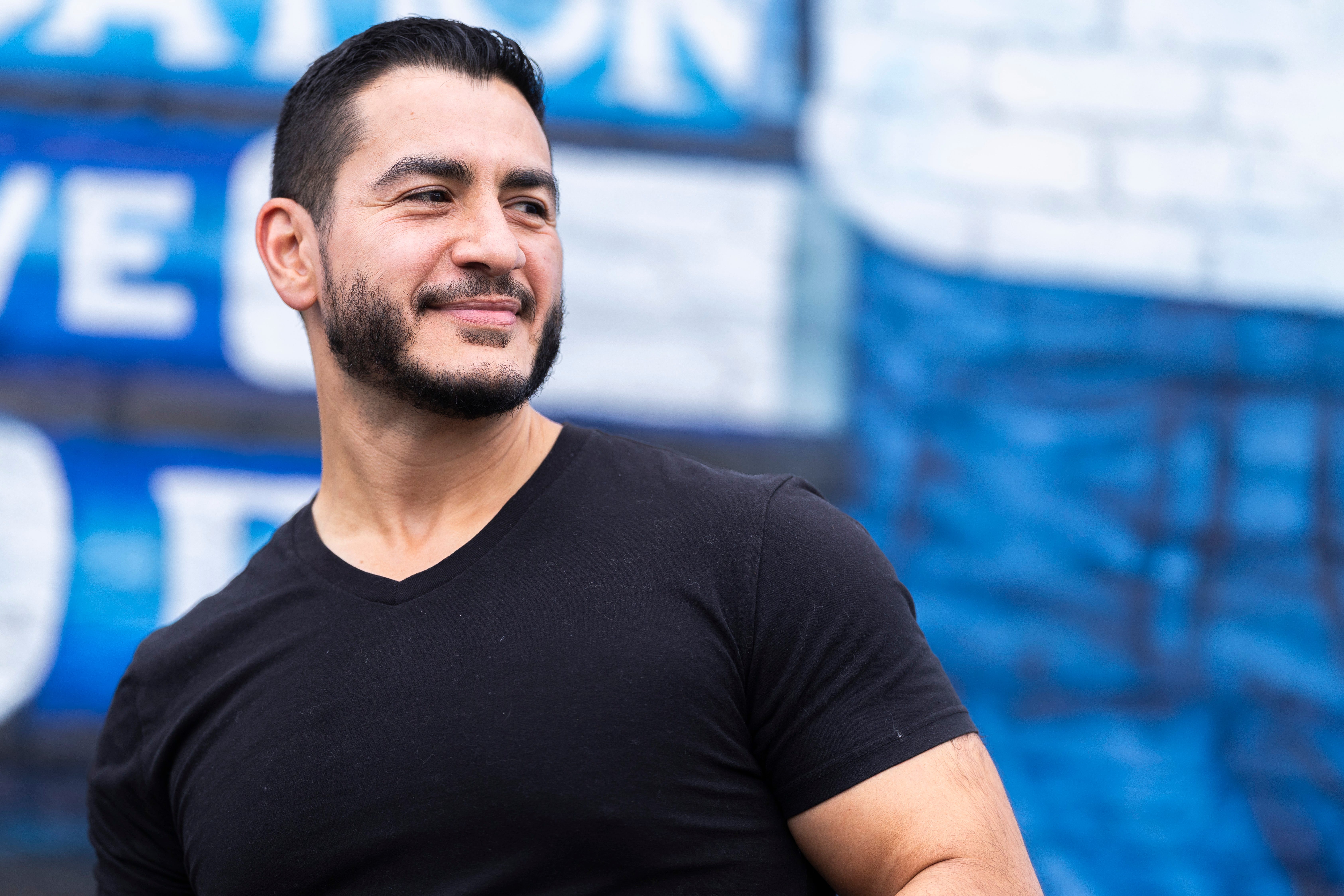
Michigan Democrats have now nominated Abdul El-Sayed for the U.S. Senate. But the day before that primary, Buttigieg took a step that looked far more like the opening move of a presidential campaign than a Senate one.
So a man who declined the race in his own state chose the day before that primary to move closer to a presidential bid. Read that however you like. It tells you which office he is actually organizing around.
New Hampshire Polling Now Shows Ocasio-Cortez Edging Past Buttigieg
Much of this week’s coverage leaned on a February poll that had Buttigieg on top. Newer numbers say something different.
The University of New Hampshire Survey Center released a poll July 22. Rep. Alexandria Ocasio-Cortez took 22 percent. Buttigieg took 21 percent. Sen. Mark Kelly followed at 9 percent, Gov. Gavin Newsom at 8 percent, Sen. Bernie Sanders at 6 percent and former Vice President Kamala Harris at 5 percent, according to the Boston Globe.
A one-point gap is not a lead. It is a tie.
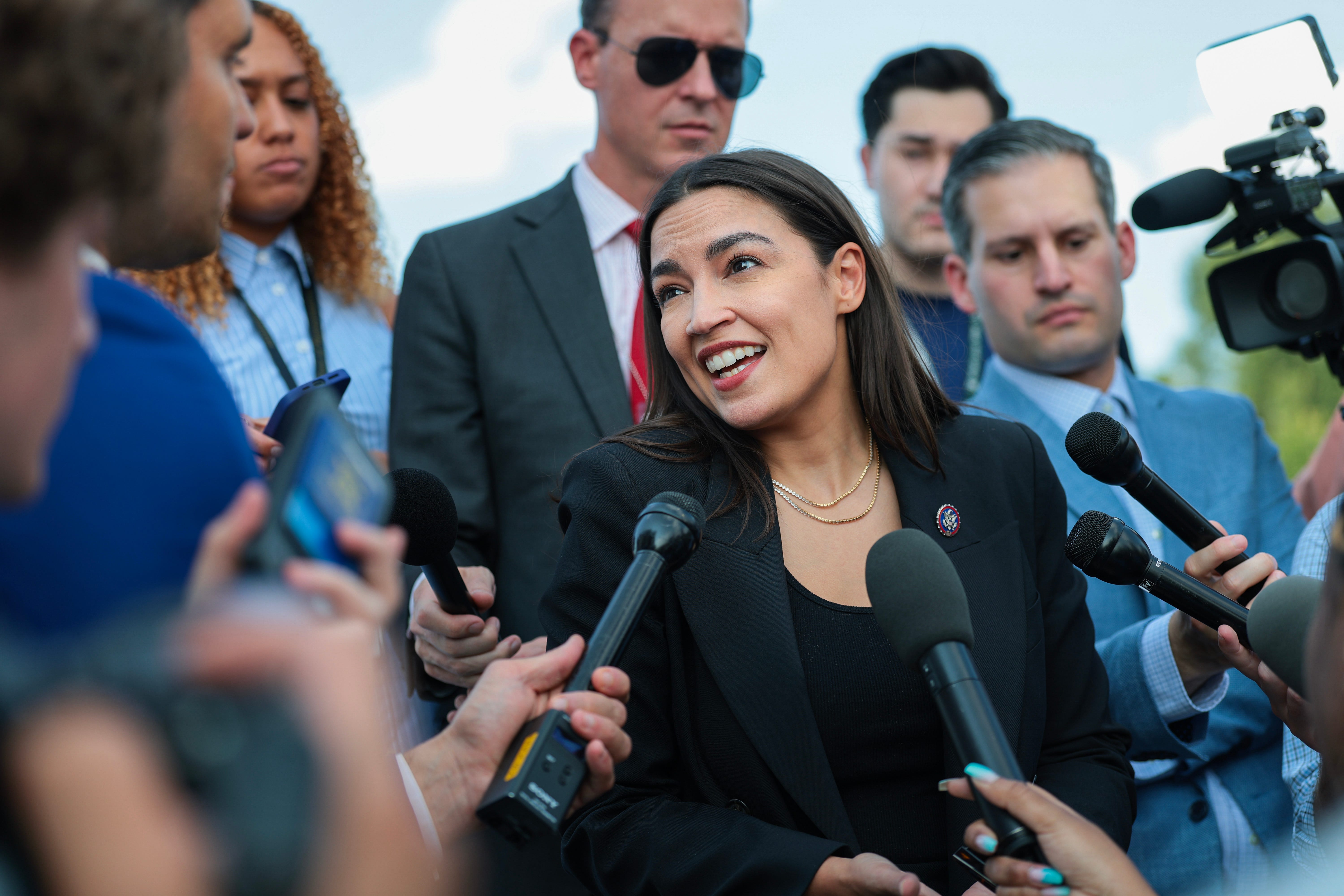
National surveys disagree with each other, too. Emerson College put Buttigieg first at 19 percent on July 19 and 20. A Manhattan Institute survey from July 1 to 6 put him third at 13 percent, behind Harris and Newsom, Newsweek reported.
Two and a half years out, these polls mostly measure who voters can name.
In Provincetown, Buttigieg Told Healey Donors That Beating Trump Is Not the Whole Job
Buttigieg made both moves on the same day. Hours after the podcast dropped, he headlined a fundraiser at the Gifford House in Provincetown for Massachusetts Gov. Maura Healey’s re-election campaign.
He used the room to argue against nostalgia.
“What our task is before us is not just to reconstruct the broken pieces of the previous status quo,” Buttigieg said. He added, “An opening is not the same thing as an answer.”
He closed on belonging. “If you believe that in a free country, you get to be who you are and love who you love without anybody else telling you what to do or who to be, then you are not alone.”
Healey was blunter about November. “He’s going to try to steal the midterms,” she said of the president.
Two out politicians, one of them the first lesbian elected governor of Massachusetts, raising money in the gayest town in New England. The optics were the message.
Trans Advocates Have Not Let Go of Buttigieg’s School Sports Comments
Here is the part a friendly write-up leaves out.
On NPR’s Morning Edition on July 28, 2025, Buttigieg said “most reasonable people would recognize that there are serious fairness issues if you just treat this as not mattering when a trans athlete wants to compete in women’s sports.” He argued the calls belong to “sports leagues and school boards and not politicians.”
The backlash was immediate and specific. Writing in Out on Aug. 7, 2025, journalist Mey Rude accused him of “capitulating to anti-LGBTQ+ conservatives.” Rude noted that “there is no scientific evidence that trans athletes have an inherent advantage over cis athletes,” and called the fairness framing a Trojan horse.
Buttigieg pushed back days later. “I see this issue being used to divide. I see it being used to hurt people,” he said. He described trans people as “one of the smallest, as well as one of the most vulnerable minorities in this country.”
Both things are on his record. A 2028 primary will surface both, repeatedly, and trans voters are under no obligation to grade on a curve.
Marriage Equality Is Still Standing, and That Is Not the Same as Safe
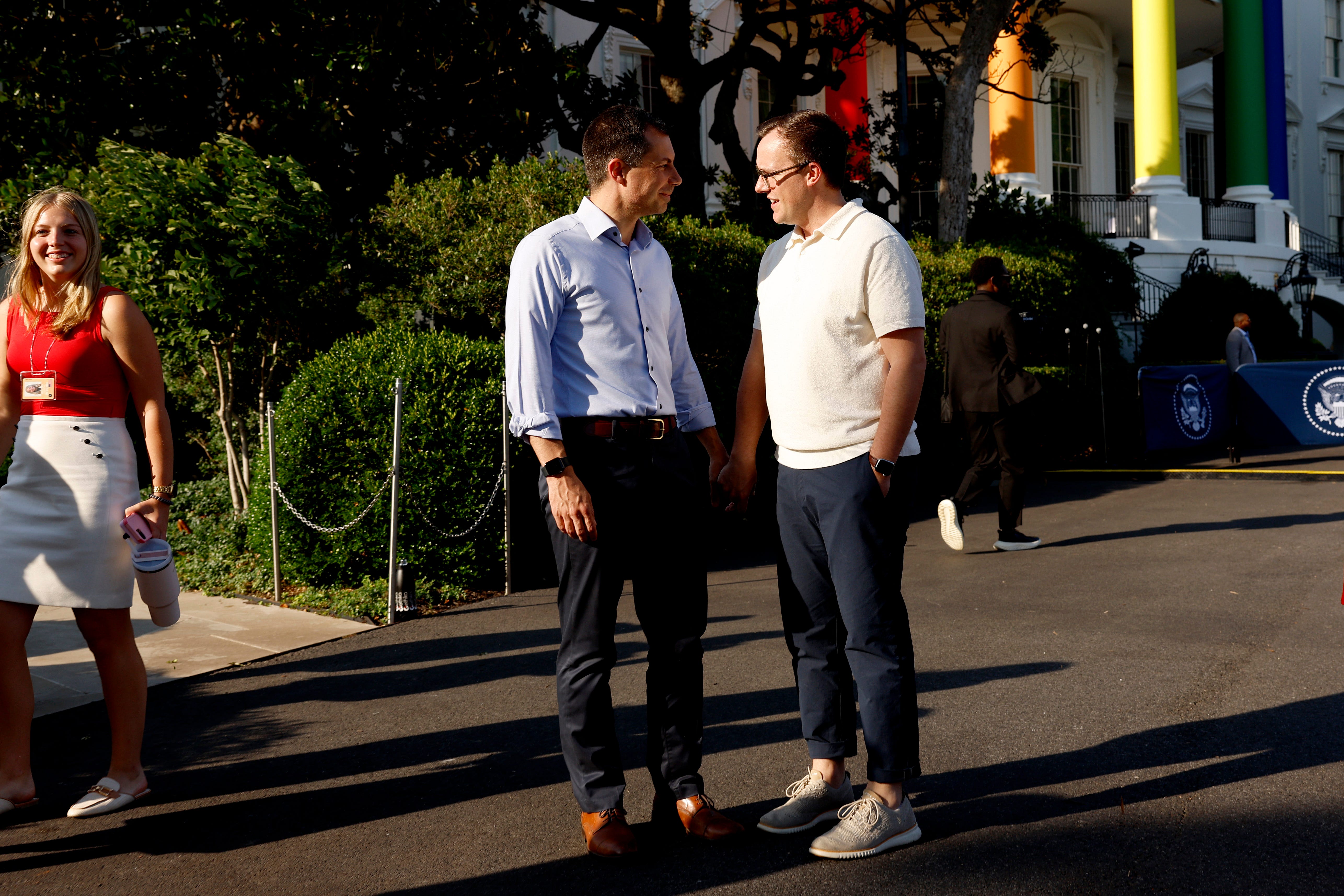
A second Buttigieg run would happen with his own marriage inside the political argument.
Obergefell v. Hodges remains good law. The Supreme Court declined to hear Kim Davis’s petition asking the justices to overturn it. The Respect for Marriage Act requires the federal government and every state to recognize marriages lawfully performed elsewhere. It would not require states to issue licenses if Obergefell ever fell.
Justice Clarence Thomas has written that the court should reconsider the ruling. As of June 2026, no case squarely challenging Obergefell is before the court.
That is the backdrop against which a married gay father is weighing a national campaign.
What Has to Happen Before Buttigieg’s 2028 Decision Becomes Real
Ignore the adjectives. Watch the paperwork and the plane tickets.
Three concrete signals matter. A statement of candidacy filed with the FEC. Win the Era’s next disclosure report, which shows whether money is moving toward staff in early states. And where he travels after the November midterms, when a real schedule replaces a hypothetical one.
Until one of those changes, “more inclined than not” is a mood, not a campaign.
The Queer Agenda tracks what candidates say about us when they think the room is friendly, and what they say when it isn't. Subscribe free to get it. If you want the primary sources yourself, the FEC candidate page and the UNH Survey Center release are both linked above and both take about two minutes to read.