


The VA Promised LGBTQ+ Veterans Only Titles Would Change. Then It Shut Down the Whole Program.
For weeks, the Department of Veterans Affairs told LGBTQ+ Veteran Care Coordinators the same thing: nothing was really changing. Titles would shift. Jobs would stay the same.
That was not true.
An internal email sent July 22 by Veterans Health Administration official Mark A. Koeniger confirms the VA is dismantling the national infrastructure behind its LGBTQ+ Veteran Care Coordinator program. Monthly coordinator calls end this week. So do regional leadership calls, new coordinator orientations, and the program’s community of practice. Dedicated Microsoft Teams channels and SharePoint resources are being archived. Coordinators were told to save anything they wanted to keep before it disappears.
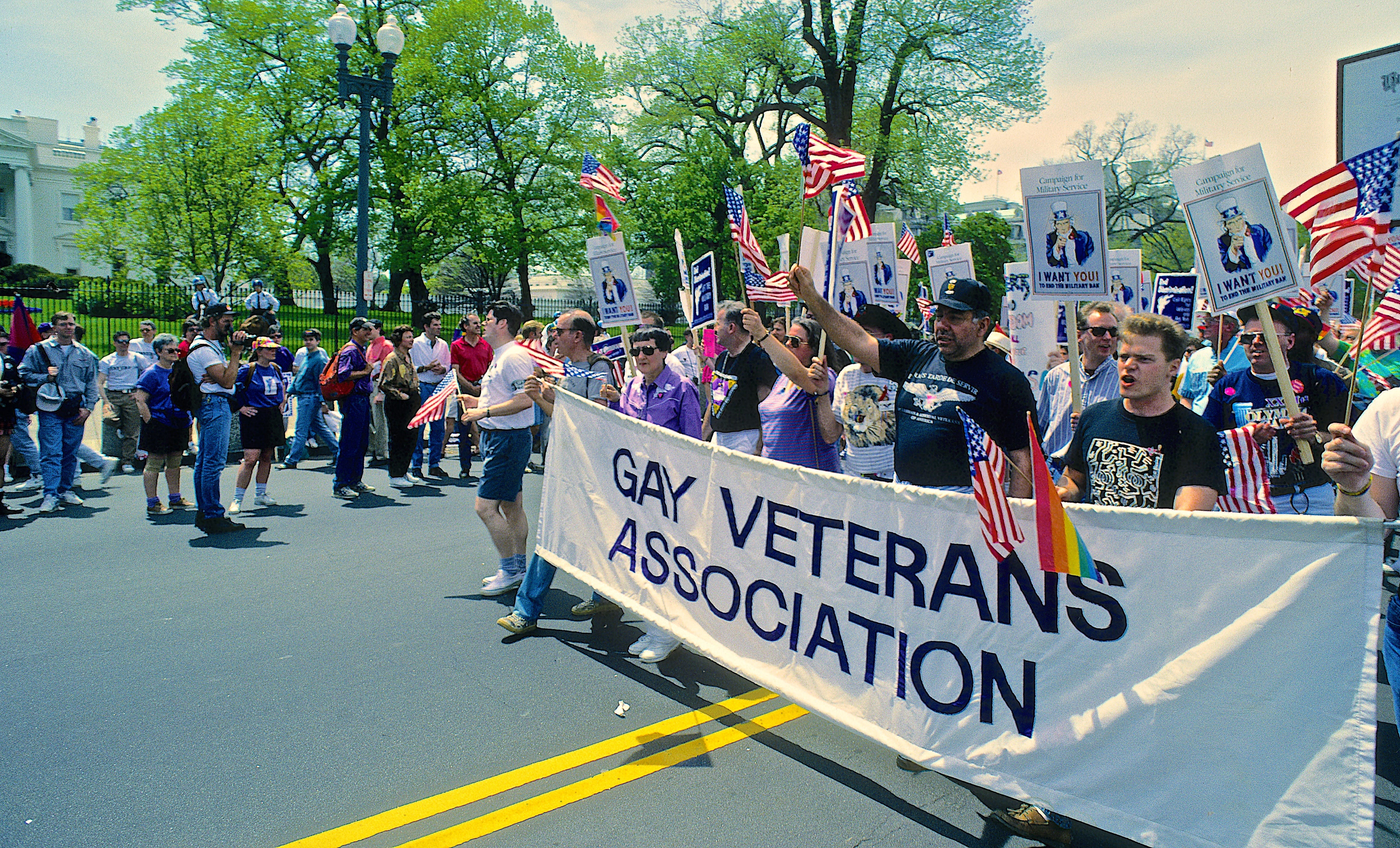
For veterans who rely on these coordinators to find providers who understand their health needs, resolve care problems, or simply get treated with respect at a VA facility, the network that supported that work is going away.
Monthly Calls, Training, and Shared Resources End This Week
Koeniger’s email spells out what changes in practice. “National communications, processes, and procedures specific to the LGBTQ+ VCC program will be discontinued,” he wrote. LGBTQ+ Veteran Care Coordinator roles convert to generic Care Coordinator positions “with an expanded focus on supporting all Veterans.”
The email does not say LGBTQ+ veterans will be turned away from care. It also does not explain how veterans will find coordinators trained in LGBTQ+ health needs once the network that trained and connected them stops functioning.
VHA Directive 1340 Has Required These Coordinators Since 2022
The program has a specific legal foundation. VHA Directive 1340, issued September 21, 2022, requires every VA medical facility, more than 140 of them nationwide, to designate at least one LGBTQ+ Veteran Care Coordinator with dedicated weekly hours: a minimum of 12 hours at smaller facilities and up to 20 hours at the largest. The directive calls coordinators essential to “culturally competent, Veteran-centered care” and isn’t scheduled for recertification until September 2027.
That directive hasn’t been formally rescinded. What’s disappearing is the national support system, training, and communication network that made it functional. A facility can technically still have a designated coordinator on paper while losing every resource that trained and connected that person to the rest of the program.
The Executive Orders Behind VA’s June 12 Compliance Memo
The July 22 email carries out a directive Veterans Health Administration Under Secretary for Health John Bartrum issued June 12, titled “Reiterating Executive Order Compliance Responsibilities.” Bartrum’s memo cites two orders President Trump signed in his first days back in office in January 2025: one declaring that federal policy recognizes only two sexes, and one ending federal diversity, equity, and inclusion programs. It directed VA facilities to stop funding meetings, training, or materials related to what the memo calls “gender ideology” or “gender identity,” and gave leadership until June 26 to confirm compliance.
“VA must ensure all Veterans are treated based on their clinical needs and without discrimination,” Bartrum wrote in the memo, according to Military Times.
VA Said It Was Only a Title Change. Its Own Spokesperson Said Otherwise.
VA leadership spent weeks telling coordinators the June 12 memo meant a title change and nothing more. One VA health care provider involved with the program, who requested anonymity because they weren’t authorized to speak publicly and feared retaliation, said the message from leadership had been consistent: “No changes to our job scope or functions, just a title change, with Directive 1340 still in effect.” The provider said staff repeated that reassurance to the veterans in their care.
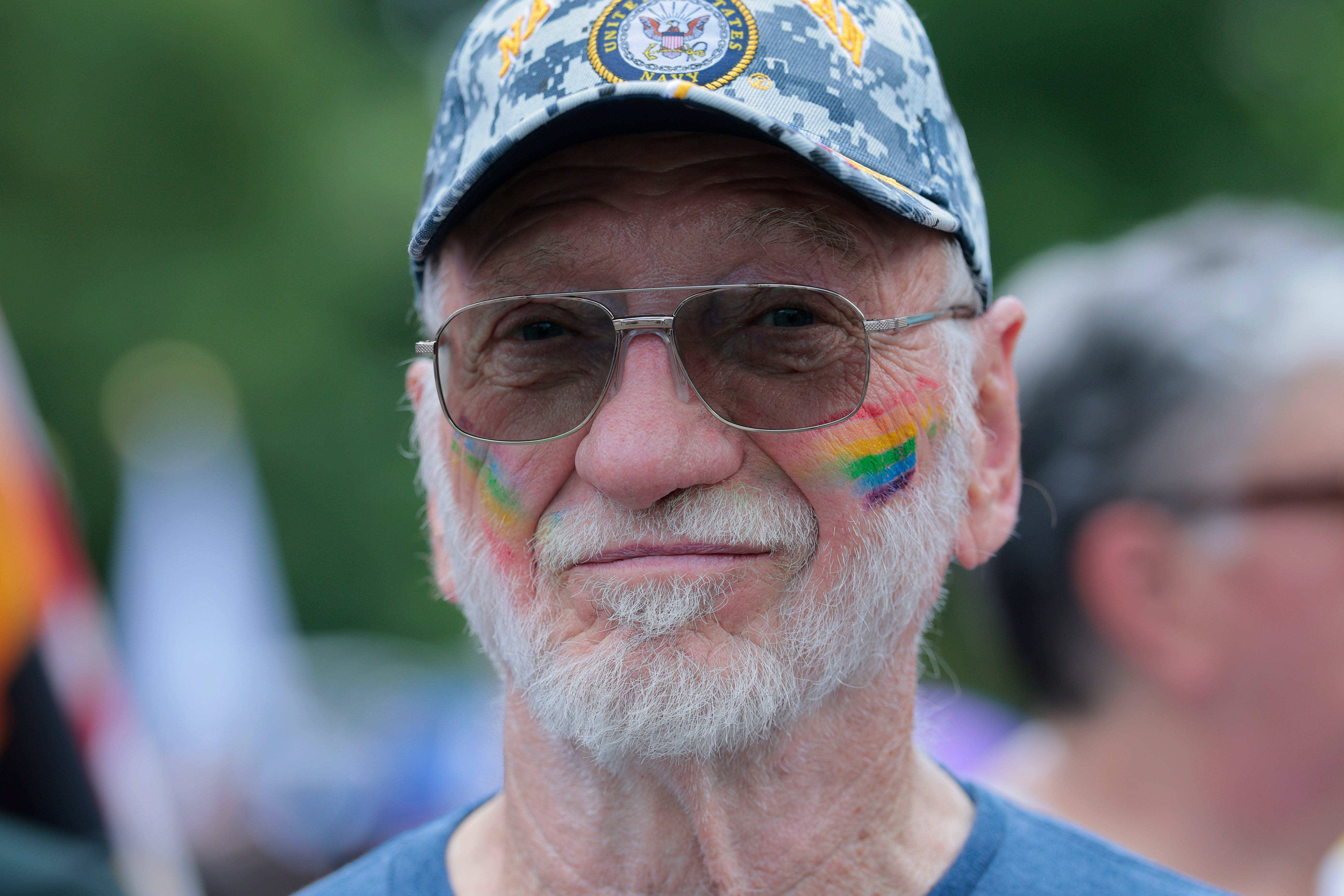
But VA Press Secretary Quinn Slaven told Government Executive in June that redesignating LGBTQ+ care coordinators as generic care coordinators was “the plan, full stop,” and that the compliance deadline applied to “anything you read on the website.” That statement, on the record from VA’s own press office, lines up with what the July 22 email now confirms: this was never just a name change.
The provider described the reversal as “moral injury on top of moral injury.” “I and others communicated this to our veterans,” they said, “and now we have to go back and tell them that’s not true.”
Why LGBTQ+ Coordinators Are the Only Program Being Eliminated
The VA runs several other population-specific coordinator programs, including Women Veteran Program Managers, Intimate Partner Violence Assistance Program coordinators, and Caregiver Support coordinators. None of those have been restructured or eliminated alongside the LGBTQ+ program.
“No other specialty population coordinator or program has been singled out or dismantled this way,” the provider said, describing the move as “a cruel erasure of LGBTQ services” carried out in a way that “lets the VA avoid explicitly saying they don’t provide LGBTQ veteran care.”
This Follows the VA’s March 2025 End to Most Gender-Affirming Care
This isn’t the administration’s first move against LGBTQ+ veterans’ health care. In March 2025, the VA rescinded VHA Directive 1341(4), a 2018 policy that had guaranteed transgender and intersex veterans access to hormone therapy, prosthetics, and related care, along with “dignity in care” standards barring staff from misgendering patients. Veterans already receiving that care could continue, but the VA cut off access for anyone starting treatment after the change.
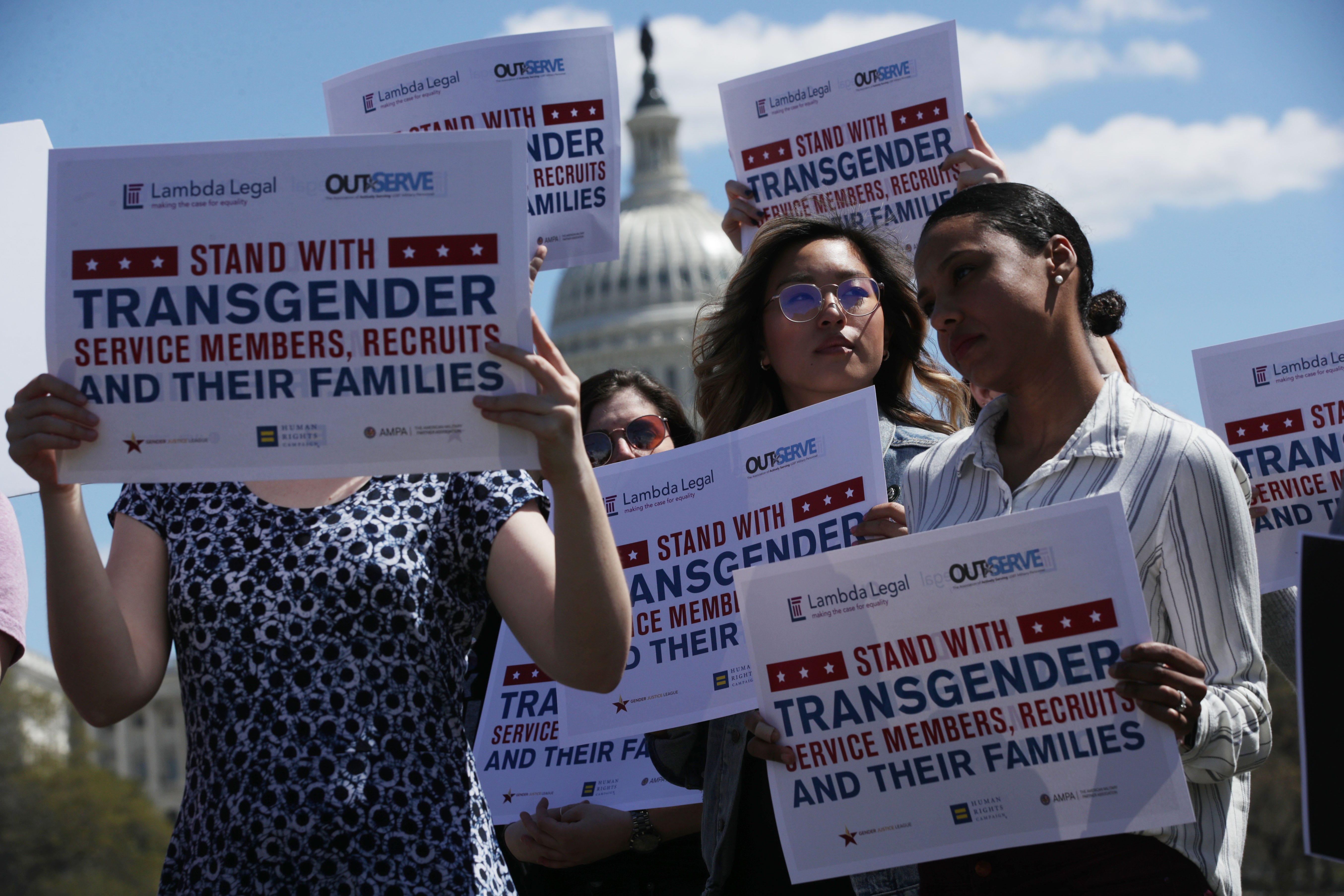
Rep. Mark Takano, ranking member of the House Committee on Veterans’ Affairs and chair of the Congressional Equality Caucus, called the rescission “both shameful and cruel” and said VA leadership was “abandoning” its mission to support every veteran, according to a statement from his committee office. Modern Military Association of America Executive Director Rachel Branaman called it, in a joint statement with other veteran groups, “a direct assault on the well-being of vulnerable LGBTQ+ veterans, jeopardizing their access to essential care.”
The care coordinator rollback continues that pattern. This time it targets the infrastructure connecting LGBTQ+ veterans to any specialized care at all, not only gender-affirming treatment.
AFGE’s Tiffany McPherson Warns of a Chilling Effect on Veterans’ Mental Health Care
Tiffany McPherson, PRIDE chair for the American Federation of Government Employees, the union representing VA employees, has warned that eliminating the specialized coordinator network risks deterring LGBTQ+ veterans from seeking care, particularly mental health care. “For a community already facing higher rates of anxiety, depression, and suicide, those consequences aren’t hypothetical,” she said, according to Military Times.
What LGBTQ+ Veterans Can Still Do While VA Directive 1340 Remains in Effect
As of this writing, VA’s press office hasn’t issued a public statement addressing what the July 22 email means for LGBTQ+ veterans specifically. Takano has pressed VA leadership on its treatment of LGBTQ+ veterans before, and as both House Veterans’ Affairs ranking member and Congressional Equality Caucus chair, he’s positioned to do it again.
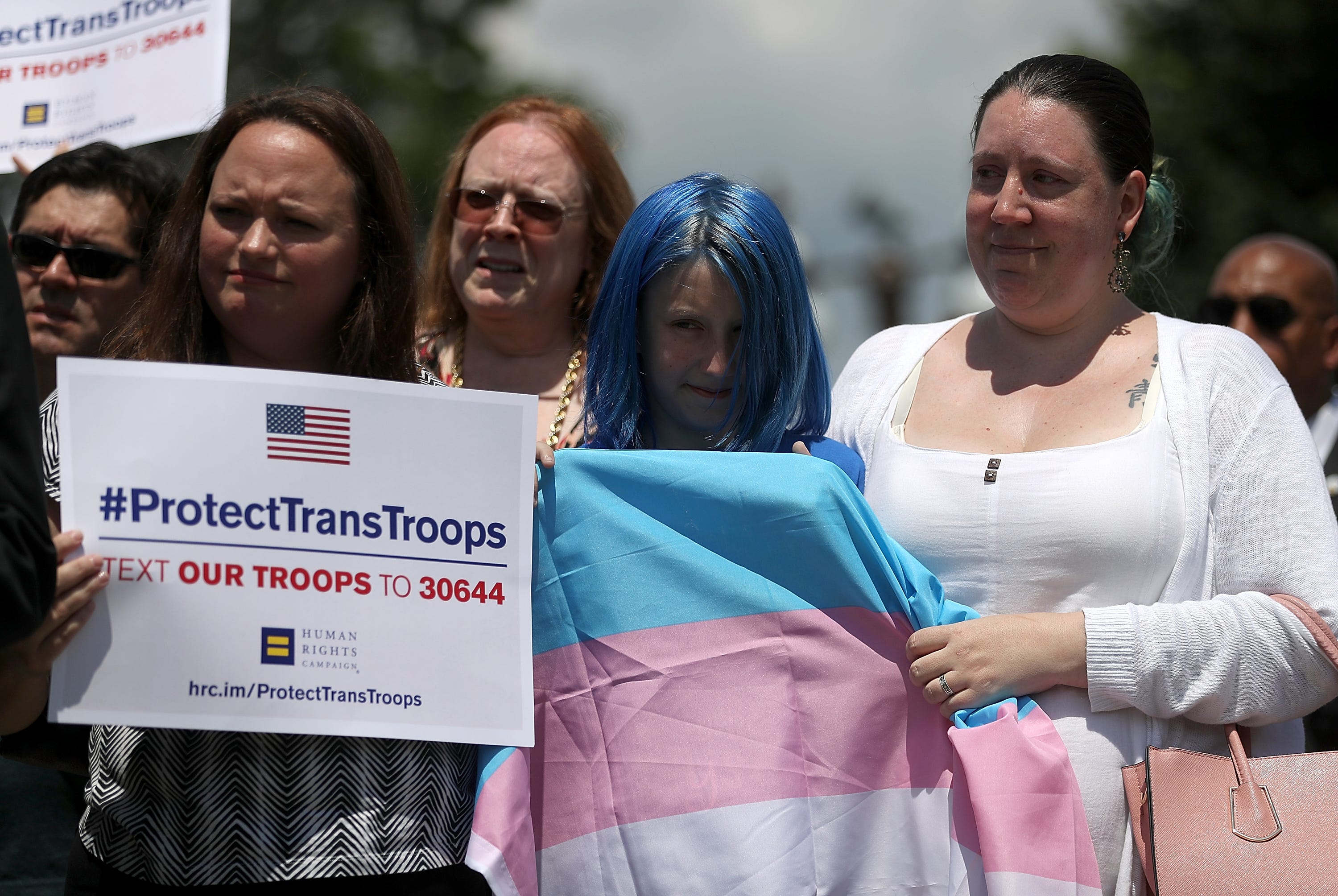
For now, VHA Directive 1340 remains technically on the books, and coordinators still nominally exist at VA facilities nationwide. What no longer exists is the national network that trained them, connected them to each other, and gave veterans a reliable way to find them. Veterans who need support can still contact their local VA patient advocate directly, or call the Veterans Crisis Line at 988, then press 1, which remains staffed regardless of these changes.
If you’re a veteran who has relied on an LGBTQ+ Veteran Care Coordinator, or you work at a VA facility watching this program dissolve, I want to hear from you. Reply to this email or leave a comment below. Share this with a veteran in your life who needs to know their coordinator’s job just changed. And subscribe to The Queer Agenda for continued coverage as this story develops.
Sources
Government Executive, “VA redesignates LGBTQ+ care coordinators and limits further ‘gender-ideology’ services,” June 2026: https://www.govexec.com/management/2026/06/va-redesignates-lgbtq-care-coordinators-limits-gender-ideology-services/414292/
Military Times, “VA eliminates gender-identity initiatives, reclassifies LGBTQ+ care coordinators,” June 18, 2026: https://www.militarytimes.com/veterans/2026/06/18/va-eliminates-gender-identity-initiatives-reclassifies-lgbtq-care-coordinators/
Military Times, “VA leaders announce end to all transgender-related care for vets,” March 17, 2025: https://www.militarytimes.com/veterans/2025/03/17/va-leaders-roll-back-policy-ensuring-medical-care-for-transgender-vets/
U.S. Department of Veterans Affairs, VHA Directive 1340 (LGBTQ+ Veteran Care Coordinators), issued September 21, 2022: https://www.va.gov/vhapublications/ViewPublication.asp?pub_ID=9944
KFF, “Overview of President Trump’s Executive Actions Impacting LGBTQ+ Health”: https://www.kff.org/lgbtq/overview-of-president-trumps-executive-actions-impacting-lgbtq-health/
House Committee on Veterans’ Affairs (Democrats), “Ranking Member Takano Slams VA’s Latest Attack on Trans & Intersex Veterans,” March 15, 2025: https://democrats-veterans.house.gov/news/press-releases/ranking-member-takano-slams-vas-latest-attack-on-trans-and-intersex-veterans
Modern Military Association of America, “Military and Veteran Groups Denounce VA Rollback of Transgender, Nonbinary, and Intersex Protections for Veterans,” March 2025: https://modernmilitary.org/2025/03/press-release-military-and-veteran-groups-denounce-va-rollback-of-transgender-nonbinary-and-intersex-protections-for-veterans/
Congressional Equality Caucus, About the Chair: https://equality.house.gov/about-cec/about-chair